
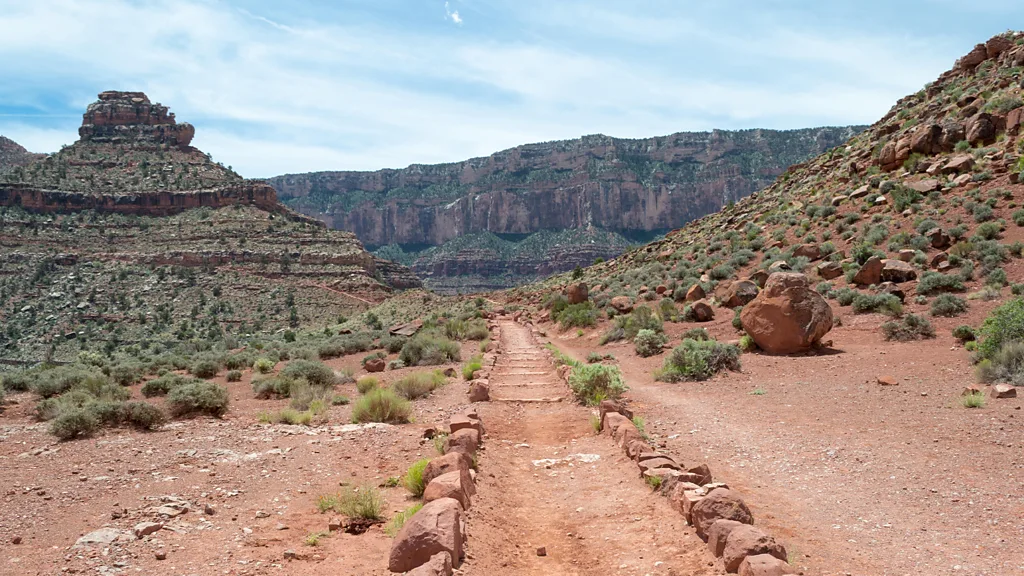
Native and First Nation tourism is booming across North America, and part of what’s propelling this trend is the conversion of ancient trails into modern biking, hiking and rafting routes.
In May of 1877, Indigenous leader Chief Standing Bear and the Ponca Tribe, who resisted relocation to “Indian territory” in Oklahoma, were marched there at gunpoint by the US Calvary 500 miles from their home in Nebraska. By the time they arrived, it was too late in the year to plant crops and the tribe faced a harsh winter. As a result, one-third of the Ponca died (including Standing Bear’s son and daughter) and nearly all the survivors were sick or disabled.
Standing Bear returned to Nebraska to honour his son’s last wish and bury him there, but was soon arrested for leaving the Ponca’s newly designated reservation. In his landmark 1879 trial, the chief poignantly convinced the judge that, despite the US government’s argument that Standing Bear was neither a US citizen nor a person, Native Americans were entitled to the same rights as other Americans, and he was released.
Stopping in the small town of Beatrice in south-eastern Nebraska, I stood on the Chief Standing Bear Trail, a 22-mile limestone track that twists and turns with the Big Blue River. The trail traces ancient Native American hunting and trading paths and marks the beginning of the route the Ponca were later marched on when removed from their homeland. As I looked out on the trees and farmland, I tried to imagine the gravity of their journey.
About the Author